What Is Memory Foam Mattresses
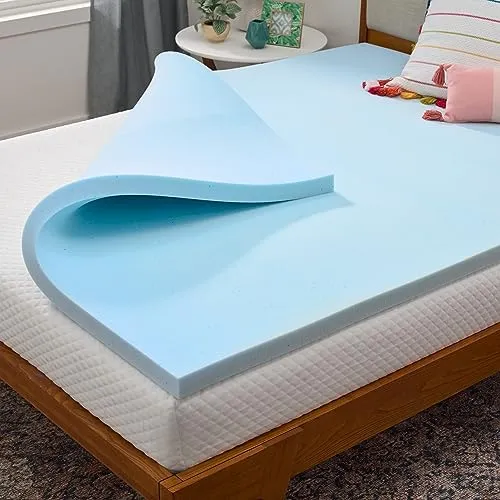
Memory foam mattresses are made from a type of viscoelastic foam that conforms to the shape of your body when you lie on it. They were originally developed by NASA in the 1960s for use in airplane seats and later adapted for use in mattresses. Here's a detailed overview:
Construction
Memory Foam Layer: The primary component is the viscoelastic foam, which responds to body heat and pressure, allowing it to mold to the shape of the body.
Support Core: Beneath the memory foam, there's usually a denser foam layer that provides overall support and durability.
Additional Layers: Some memory foam mattresses include additional layers for cooling, added support, or enhanced comfort.
Types of Memory Foam
Traditional Memory Foam: Offers good contouring and pressure relief but tends to retain heat.
Gel-Infused Memory Foam: Infused with gel beads or particles to help dissipate heat and keep the mattress cooler.
Open-Cell Memory Foam: Has a more porous structure, promoting better airflow and cooling.
Pros
Pressure Relief: Memory foam excels at distributing body weight evenly, which can alleviate pressure points and reduce pain.
Motion Isolation: It absorbs movement, making it a good choice for couples as one person's movements are less likely to disturb the other.
Support: Provides good support, especially for side sleepers, by contouring to the body's shape and maintaining proper spinal alignment.
Durability: High-quality memory foam mattresses can be quite durable, maintaining their shape and support over time.
Cons
Heat Retention: Traditional memory foam can retain heat, making it uncomfortable for hot sleepers.
Initial Odor: There can be an off-gassing smell when the mattress is first unpacked due to the release of volatile organic compounds (VOCs).
Weight: Memory foam mattresses can be heavy and difficult to move.
Cost: High-quality memory foam mattresses can be expensive.
Ideal For
Side Sleepers: Due to its contouring properties, it provides good support for the hips and shoulders.
People with Back Pain: Offers excellent support and alignment, potentially reducing back pain.
Couples: Excellent motion isolation means less disturbance from a partner’s movements.
Maintenance
Rotation: Rotate the mattress every few months to ensure even wear.
Protection: Use a mattress protector to guard against spills and stains.
Ventilation: Allow the mattress to air out occasionally to prevent moisture buildup.
Memory foam mattresses are popular for their comfort and support, making them a good option for a wide range of sleepers, especially those who prioritize pressure relief and motion isolation.
Keywords