
Collection Of Office Furniture
Office furniture encompasses a wide range of items designed to create a productive and comfortable workspace. Here’s a detailed description of the main types of office furniture:
Desks
Types:
Executive Desks: Large, often ornate desks used by executives. They usually have ample storage and space for multiple monitors.
Standing Desks: Adjustable height desks that allow users to alternate between sitting and standing.
Computer Desks: Compact desks designed specifically for computer use, often with space for a monitor, keyboard, and other accessories.
Writing Desks: Simple desks without built-in storage, designed for writing and minimal computer use.
L-shaped Desks: Desks with two surfaces forming an L shape, providing more workspace.
Materials:
Wood: Traditional and sturdy, often used in executive desks.
Metal: Modern and durable, used in various styles.
Glass: Contemporary and stylish, usually with metal frames.
Chairs
Types:
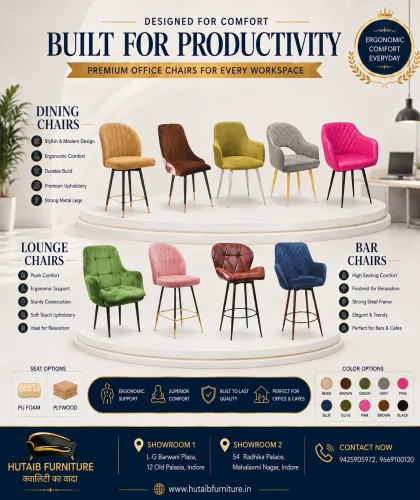
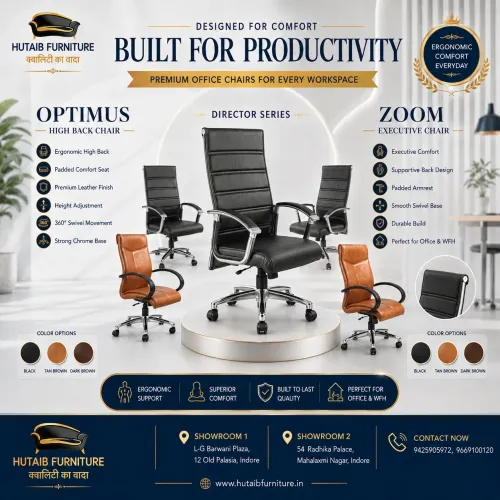
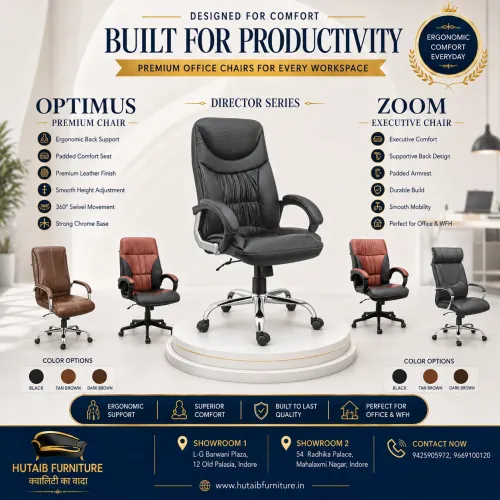
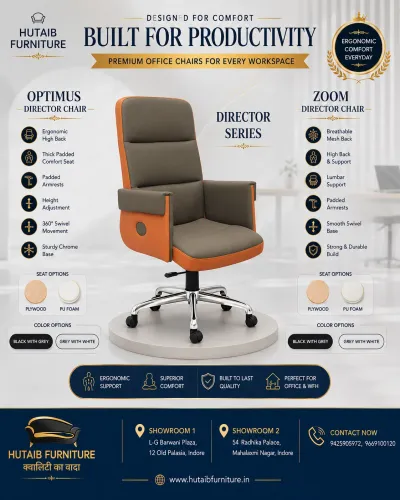
Executive Chairs: High-back chairs with plush cushioning, designed for comfort and style.
Ergonomic Chairs: Adjustable chairs designed to support the body and reduce strain during long periods of sitting.
Task Chairs: Standard office chairs used for everyday tasks, typically with wheels and basic adjustments.
Conference Chairs: Comfortable chairs used in meeting rooms, often without wheels.
Materials:
Leather: Luxurious and durable, used in high-end chairs.
Fabric: Breathable and available in various colors and patterns.
Mesh: Provides ventilation and support, commonly used in ergonomic chairs.
Tables
Types:
Conference Tables: Large tables used in meeting rooms, often designed to accommodate multiple people.
Training Tables: Flexible and mobile tables used in training rooms, often foldable or stackable.
Breakroom Tables: Tables used in lunch or break areas, available in various sizes and shapes.
Storage
Types:
Filing Cabinets: Used for storing documents, available in vertical and lateral designs.
Bookcases: Open or closed shelving units for books and office supplies.
Storage Cabinets: Enclosed cabinets for general storage, often with locks.
Pedestal Units: Small, mobile storage units that fit under desks, often with drawers.
Materials:
Wood: Classic and sturdy, often used in traditional office settings.
Metal: Durable and secure, common in filing cabinets.
Laminate: Cost-effective and versatile, available in various finishes.
Accessories
Keyboard Trays: Slide-out trays mounted under desks to hold keyboards.
Monitor Stands: Stands to raise monitors to eye level.
Cable Management Solutions: Products designed to organize and hide cables.
Desk Lamps: Adjustable lamps for task lighting.
Partition Systems
Types:
Cubicles: Partitioned workspaces that provide privacy and reduce noise.
Panel Systems: Modular walls that can be configured to create various layouts.
Room Dividers: Movable partitions used to separate spaces temporarily.
Materials:
Fabric: Soft and noise-absorbing, often used in cubicles.
Glass: Modern and transparent, used in upscale designs.
Metal: Durable and sturdy, used in structural frames.
Meeting Rooms
Furniture:
Conference Tables: Central tables for meetings, often with built-in power outlets.
Meeting Chairs: Comfortable chairs for meeting attendees.
Presentation Stands: Stands for projectors or speakers.
Reception Areas
Furniture:
Reception Desks: The front desk where visitors are greeted, often stylish and welcoming.
Waiting Chairs: Comfortable seating for visitors.
Coffee Tables: Small tables in waiting areas for magazines and refreshments.
Lounge Areas
Furniture:
Sofas and Armchairs: Comfortable seating for relaxation or informal meetings.
Coffee Tables: Central tables in lounge areas for convenience.
Specialty Furniture
Standing Meeting Tables: High tables for standing meetings, promoting quick discussions.
Collaborative Workstations: Modular desks designed for teamwork and collaboration.
Privacy Pods: Small enclosed spaces for private phone calls or focused work.
Office furniture should be chosen based on functionality, ergonomics, aesthetics, and the specific needs of the workplace to create an efficient and pleasant working environment.
Keywords